The updated and expanded new third edition of A Guide Book of Franklin and Kennedy Half Dollars, by professional numismatist Rick Tomaska will be available nationwide on May 8, 2018, and can be preordered online.
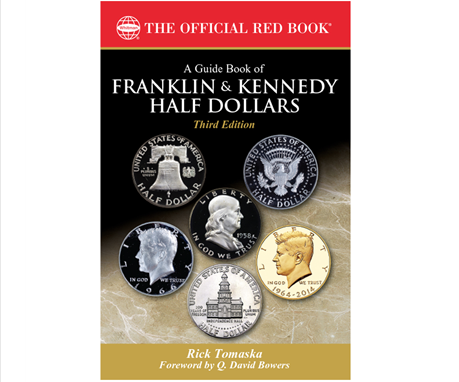
The updated and expanded new third edition of A Guide Book of Franklin and Kennedy Half Dollars, by professional numismatist Rick Tomaska will be available nationwide on May 8, 2018, and can be preordered online.

The Professional Numismatists Guild has selected Michigan State University student Andrew Blinkiewicz, 21, of Kalamazoo, Michigan, as the recipient of their 2018 Young Numismatist Scholarship.
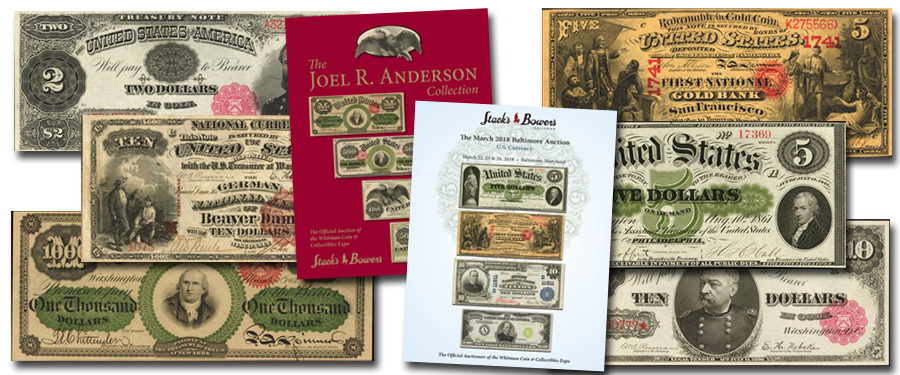
During the Stack’s Bowers auction of The Joel R. Anderson Collection, a rare 1863 $1000 bill sold for $960,000, one of only two known to be owned privately.
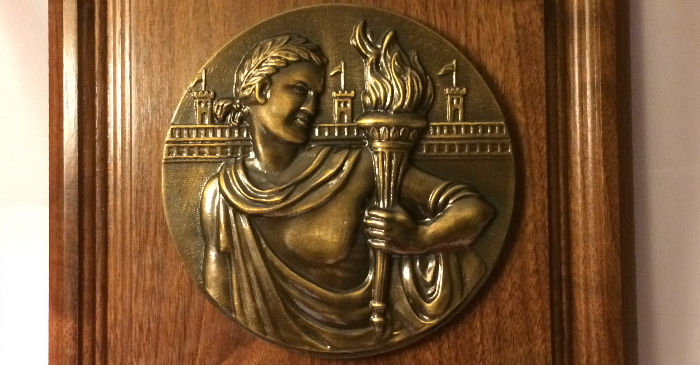
In 1974, Krause Publications and Numismatic News handed out the first “Numismatic Ambassador” award. Whitman author and noted numismatist Dennis Tucker is one of the latest recipient of this honor, which he recently received from Florida United Numismatists.

Numismatic legend and Whitman author Q. David Bowers has embarked upon a new weekly column at Coin Update News and Mint News Blog.
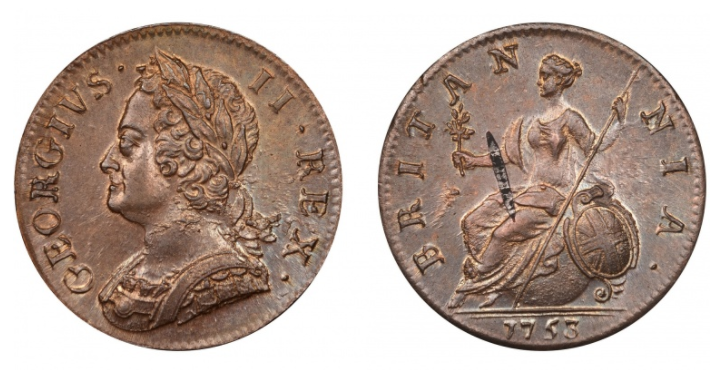
Many wonderful numismatic clubs and organizations hold meetings at the Whitman Baltimore Expo, including the Colonial Coin Collector’s Club (C4). The Expo has great opportunities to collect and learn more about colonial coins!
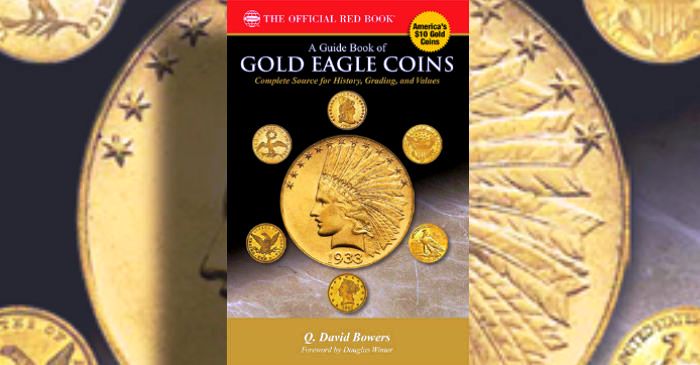
Question: “What’s the best value in the United States gold coin market?” Answer? “That’s easy. Liberty Head eagles.” And no one better to write about them than legendary numismatist, Q. David Bowers.
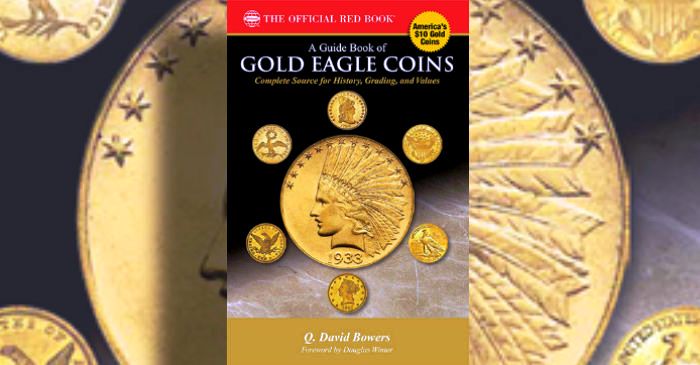
A new book on U.S. gold eagles ($10 coins) will debut just before Thanksgiving 2017.
Its author, Q. David Bowers, nicknamed the “Dean of American Numismatics,” has been studying U.S. gold coins for more than 60 years, and writing about them almost as long. He has examined more than 5,000 numismatic catalogs, read countless periodicals, and studied all the available books on gold coins. On top of this old-fashioned “book learning,” he has personally examined hundreds of thousands of gold coins, many of them in the process of cataloging the most famous coin collections ever to cross an auction block.
The Guide Book of Gold Eagle Coins—the 24th volume in the Bowers Series, and the 18th of those volumes written by Bowers himself— will begin shipping on November 21, 2017, and in the meantime can be pre-ordered online.
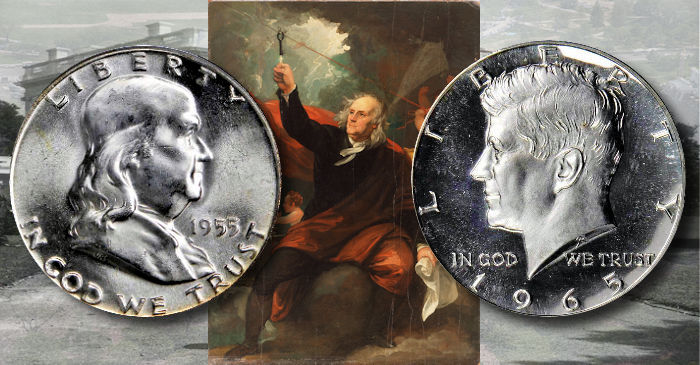
Today, Franklin half dollars (minted from 1948 to 1963) are avidly collected. Scarcely a month or two goes by without excitement in the auction room when a particular variety described as FBL (Full Bell Lines), perhaps of a date and mint that is very common without this feature and otherwise inexpensive, sells for in the many hundreds or thousands of dollars. Beyond that, and probably most applicable to you, a basic set of dates and mintmarks in a highly desirable grade such as Mint State-65 can be collected relatively easily, with an attractive display being the result. Proofs were struck beginning in 1950, continuing to the end of the series, and provide a separate collection to go with the circulation strikes.
Read more at Coin Update News.
Today, numerical grading comprises many more numbers than when first conceived by Sheldon in. In the Mint State and Proof category alone we have all numbers from 60 through 70 inclusive, for a total of 11 in each category. We also have different degrees within this, such as + signs added by NGC and PCGS, and also stars and other designations. As grading is an art and not a science, not even the most sophisticated grader can consistently assign the same numbers to the same coins. No matter; people love numbers, and they will be with us for a long time to come. And, without question, a certified MS-66 coin is nearly always better than one certified as 63. However, cherrypicking for quality and extra value, something the Guide Book of Franklin and Kennedy Half Dollars (third edition now available for preorder) will aid you in doing, can often lead to finding a 65 that can be certified as a much more valuable 66.
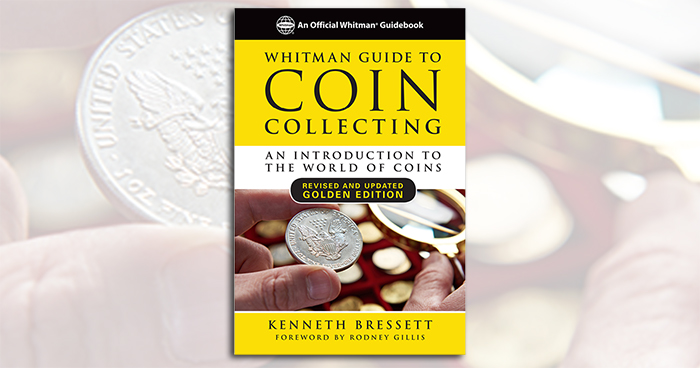
The revised and updated edition of Whitman Guide to Coin Collecting includes the basics from previous editions along with pertinent new information for both newcomers and experienced numismatists. In this review, we’ll cover in depth the content for new hobbyists, but we also want to address the numismatic experts early in this critique.
Too often coin dealers and numismatic writers, like me, overlook books that target newcomers to the hobby. What are we to learn, anyway, that we don’t already know? I’m writing this on September 25, 2017, and tonight I am slated to speak at the Ames, Iowa, Coin Club. Coincidentally, I just finished reading Kenneth Bressett’s Whitman Guide to Coin Collecting— a terrific bargain at $12.95 — and will use some of his basic information from the chapter on grading in my talk.
In other words, experienced collectors and numismatists can utilize this work to explain complex topics such as varieties and common coin errors in a language that beginning and intermediate collectors — as might be found in coin clubs — can understand.
If you give such presentations, buy this book. I can think of no better guide to introduce readers into the world of coins, and Bressett, the author of some 20-plus books, not only provides a wealth of facts in discussing basic collecting, replete with high-resolution photos on glossy paper (rare in book publishing), but also inserts history and numismatic tidbits throughout these chapters:
The back-of-the-book content is equally instructive, featuring a gallery of actual coin sizes and a glossary of coin terms.
The writing throughout the book is crisp and conversational with a loving tone that begins with Bressett’s dedication to his wife and “second great devotion,” i.e. collecting. That tone is perfect in introducing potentially complex topics, such as grading standards, because it inspires readers to keep learning via more specialized works.
In the interest of disclosure, I know that Whitman operates Coin Update and perhaps has a stake in a positive review, which I am posting now. I am often wary about updated books, and this one has been a best-seller for more than 20 years. But an alluring aspect of this new edition is a snappy design with pull quotes and lots of photos to illustrate the topic for more-visual readers. As experienced collectors know, numismatic photography is a key component of the hobby, and the photos here excel both in detail and cutline. This is primarily why I decided to delve into this book, looking for problems or missing information.
I found none.
What I did find was a well-illustrated, designed, and fact-filled book.